Diploma in Grant Writing and Proposal Development with Word and Trello

- Description
- Curriculum
- FAQ
- Reviews
- Grade
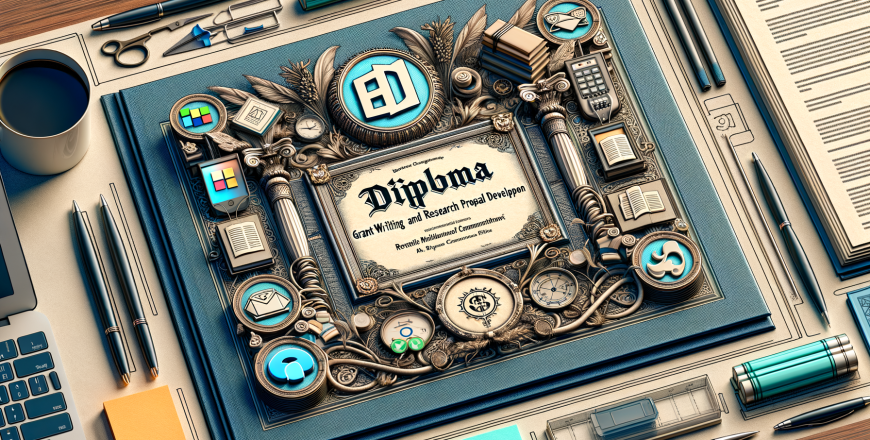
Diploma in Grant Writing and Research Proposal Development with Microsoft Word and Trello
Introduction
Welcome to the Diploma in Grant Writing and Research Proposal Development. This course is designed to equip you with essential skills in crafting successful grant applications and research proposals, utilizing Microsoft Word for professional document creation and Trello for efficient project management. Whether you are new to grant writing or seeking to enhance your skills, this program provides a comprehensive guide from research to submission.
Learning Outcomes
- Understand the fundamentals of grant writing and research proposal development
- Identify and analyze funding opportunities
- Develop compelling and persuasive proposals
- Utilize Microsoft Word to create professional grant documents
- Manage grant writing projects effectively with Trello
Module 1: Introduction to Grant Writing
- Definition and importance of grants
- Types of grants and funding sources
- The grant writing process overview
Module 2: Research Proposal Fundamentals
- Understanding research proposals
- Key components of a research proposal
- Identifying research gaps and formulating research questions
Module 3: Identifying Grant Opportunities
- Researching potential funders and databases
- Evaluating eligibility and alignment with funder priorities
- Tracking opportunities using Trello boards
Module 4: Developing the Proposal
- Structuring your grant proposal: standard templates and outlines
- Writing persuasive problem statements and objectives
- Developing work plans, timelines, and budgets
Module 5: Professional Document Creation with Microsoft Word
- Formatting proposals for clarity and professionalism
- Using styles, templates, and tables in Microsoft Word
- Collaborative editing and version control
Module 6: Project Management with Trello
- Setting up Trello boards for grant projects
- Assigning tasks, setting deadlines, and tracking progress
- Integrating communication and document sharing
Module 7: Review, Submission, and Follow-Up
- Internal review and quality assurance
- Submission procedures and portals
- Post-submission follow-up and reporting requirements
Assignments & Practical Activities
- Identify a relevant funding opportunity and create a Trello board to manage the application process
- Draft a research proposal using Microsoft Word, incorporating key sections and formatting techniques
- Collaborate with peers to review and edit proposals
Assessment and Certification
Participants must complete all assignments and submit a final grant proposal project for evaluation. Upon successful completion, you will receive a Diploma in Grant Writing and Research Proposal Development.
Who Should Enroll?
- Aspiring grant writers and researchers
- Nonprofit and NGO professionals
- Academic researchers and project managers
- Anyone interested in improving project funding success
Enroll Today
Take the next step in your professional journey. Master the art of grant writing and proposal development with expert guidance and practical tools like Microsoft Word and Trello.
-
1
 Overview of Grant Writing: Objectives and Impact
 -
2
 Key Elements of a Successful Proposal
Key Elements of a Successful Grant Proposal
A well-structured grant proposal is essential for organizations and individuals seeking funding for their projects. Understanding the key elements of a successful grant proposal increases the likelihood of receiving financial support. This guide outlines the most critical components to include for a compelling and persuasive grant application.
1. Executive Summary
The executive summary provides a concise overview of the entire proposal. It should highlight the purpose of the project, the funding amount requested, and the anticipated outcomes. A clear and impactful executive summary quickly engages the reader and sets the tone for the rest of the document.
2. Statement of Need
A successful grant proposal clearly defines the problem or need the project aims to address. This section backs up the issue with relevant data, statistics, and evidence. Establishing the urgency and significance of the need helps convince funders of the importance of your project.
3. Project Description
The project description outlines the methods and activities planned to address the identified need. It includes details about the target audience, objectives, timeline, and resources required. Providing a step-by-step plan demonstrates organization and foresight.
4. Goals and Objectives
Clearly defined goals and measurable objectives are crucial for a successful grant proposal. Goals should describe the overall purpose of the project, while objectives provide specific and quantifiable outcomes. Ensure objectives are realistic and achievable within the proposed timeframe.
5. Evaluation Plan
An effective grant proposal includes an evaluation plan to measure the project success. This section describes the methods and tools that will be used to collect data and assess progress. A strong evaluation plan reassures funders that the impact of their investment will be monitored and reported.
6. Budget and Justification
Providing a detailed budget is essential for transparency and accountability. Itemize all expenses, including personnel, materials, and indirect costs. The budget justification explains why each cost is necessary and how it supports the project objectives.
7. Organizational Information
Include background information about your organization, such as its mission, history, and past achievements. Highlight relevant experience and capacity to manage the proposed project. Demonstrating organizational credibility builds funder confidence.
8. Sustainability Plan
Funders often look for projects that can continue beyond the grant period. Describe strategies for maintaining project activities and outcomes once funding ends. Sustainability plans may include partnerships, alternative funding sources, or capacity building efforts.
Conclusion
Paying careful attention to these key elements increases the chances of developing a successful grant proposal. Each section should be clear, concise, and tailored to the funders guidelines and priorities. A thoughtful and comprehensive approach demonstrates professionalism and enhances the proposal appeal.
-
3
 Self-Assessment: Your Grant Writing Experience
-
4
Identifying Suitable Grants for Your Project
-
5
Analyzing Funder Requirements and Priorities
Understanding funder requirements and priorities is essential for successful grant applications. By carefully analyzing the guidelines, organizations can tailor proposals to align with the specific interests and expectations of funders. This involves reviewing eligibility criteria, application deadlines, preferred project types, and reporting obligations. Identifying the strategic objectives of the funder helps in demonstrating how your project contributes to their mission. Highlighting measurable outcomes, sustainability plans, and partnership opportunities can enhance credibility. Adhering to these priorities not only increases the chances of funding approval but also fosters lasting relationships with funders. Regularly monitoring changes in funder trends and updating proposal strategies ensures continued relevance. Effective analysis and alignment with funder priorities is a key step in securing financial support and advancing organizational goals in a competitive funding environment.
-
6
Research Activity: Grant Opportunity Matrix
-
9
Crafting the Executive Summary
Crafting the executive summary is a crucial step in presenting your business plan or project proposal. A well-written executive summary highlights key objectives, strategies, and outcomes, giving stakeholders a clear understanding of your vision. Focus on clarity and brevity, ensuring the summary is concise yet informative. Address the main points such as goals, market potential, competitive advantages, and financial projections. Use straightforward language to engage decision-makers and inspire confidence in your plan. Remember, the executive summary often determines whether readers continue to review the full document. Tailor the content to your audience, reflecting their interests and priorities. By mastering this section, you set a strong foundation for your entire proposal or plan, increasing the likelihood of positive responses from investors, partners, or management teams.
-
10
Designing Methodology and Project Plans
Designing methodology and project plans is a critical step in ensuring the success of any project. A structured methodology provides a clear framework for execution, helping teams to identify objectives, allocate resources, and manage timelines efficiently. Detailed project plans are essential for tracking progress, assigning responsibilities, and mitigating risks throughout the project lifecycle. Implementation of best practices in project planning increases transparency and improves communication among stakeholders. Carefully crafted methodologies foster adaptability, allowing teams to respond to changes and unforeseen challenges effectively. By adopting a systematic approach and thorough planning, organizations can enhance project outcomes and achieve desired goals with greater consistency and efficiency. Quality project plans promote alignment between project deliverables and organizational objectives, ultimately contributing to overall business success and sustainable growth.
-
11
Assignment: Draft the Statement of Need
-
12
Using Styles and Templates for Professional Documents
Enhancing professional documents with styles and templates improves consistency and readability. Styles allow users to apply predefined formatting to headings, paragraphs, and lists, ensuring a uniform appearance throughout the document. Templates offer a solid foundation, saving time on repetitive formatting tasks and maintaining brand identity. By leveraging these features, documents become easier to navigate and more visually appealing. Adopting templates also minimizes formatting errors and streamlines the editing process. Implementing styles helps organize content logically, making information accessible for readers. Consistent formatting reflects attention to detail, which is essential in business communication. Utilizing these tools not only elevates the look and feel of documents but also boosts productivity. For anyone aiming to present polished, organized, and effective professional documents, using styles and templates is a valuable best practice.
-
13
Inserting Tables, Charts, and References
Enhance your documents by inserting tables, charts, and references for clear presentation of data. Use tables to organize information neatly in rows and columns. Charts help visualize trends and make complex figures easier to understand. Adding references provides credibility and supports your content with authoritative sources. To insert these elements, use the toolbar options available in your editor. Customize table layouts, choose from various chart types, and format your references according to guidelines. Proper use of tables, charts, and references not only improves readability but also increases engagement and trust in your work. Make your documents stand out by integrating these features seamlessly, ensuring a professional appearance and stronger communication of your message.
-
14
Formatting Assignment: Prepare a Proposal Section
-
15
Finalizing Proposal Documents in Microsoft Word
Efficiently finalizing proposal documents in Microsoft Word ensures professionalism and accuracy. Utilize built-in formatting tools to maintain consistency throughout the document. Carefully review all content for clarity, grammar, and completeness before submission. Incorporate relevant headings and bullet points to improve readability and structure. Use tracked changes to monitor edits and collaborate effectively with team members. Check for correct file formatting and compatibility to avoid technical issues. Save the document in the required format and perform a final proofread. These practices contribute to a polished and compelling proposal in Microsoft Word.
-
16
Common Submission Portals and Procedures
Common submission portals are essential platforms for managing document or project submissions efficiently. These portals typically include user-friendly interfaces, secure file upload features, and real-time tracking of submission statuses. The procedures generally involve registering an account, filling out required forms, and uploading necessary documents. Many portals provide automated confirmation messages and reminders to ensure timely completion. To enhance user experience, portals often support various file formats and offer customer support for troubleshooting. Adhering to submission guidelines and deadlines is crucial for successful acceptance. Properly following procedures and utilizing portal resources can streamline the process and increase the likelihood of approval. Understanding the common features and steps associated with submission portals can help users avoid errors and ensure compliance with relevant requirements.
-
17
Submission Checklist Assignment
-
18
Improving Future Proposals with Lessons Learned
Enhancing future proposals becomes achievable by incorporating lessons learned from previous experiences. Analyzing past projects allows organizations to identify strengths and areas for improvement. This approach helps in refining strategies and optimizing resource allocation. By applying insights gained, teams can craft proposals that address challenges more effectively and align with stakeholder expectations. Continuous improvement through reflection ensures higher success rates and fosters a culture of learning and adaptability within any proposal development process.
-
19
Peer Review: Review a Sample Proposal
-
20
 Final Assessment: Diploma in Grant Writing and Research Proposal Development

- Comprehensive diploma course in grant writing and research proposal development
- Learn to use Microsoft Word for proposal content creation and formatting
- Utilize Trello for effective project management and collaboration
- Hands-on assignments and practical templates included
- Certificate of completion awarded
- Basic computer literacy
- Access to Microsoft Word (any recent version)
- Internet connectivity for Trello and course materials
- Willingness to engage in practical exercises
- No prior grant writing experience required
- Aspiring and current grant writers
- Researchers and academic professionals
- Nonprofit managers and staff
- Students and early-career professionals
- Anyone interested in learning structured proposal development


 Google